Soluzioni di trasformazione della fabbrica

Trasformazione digitale nel settore manifatturiero. Iniziate il vostro viaggio con il vostro progetto di trasformazione digitale.

Che cos'è la trasformazione digitale nel settore manifatturiero?

Digital transformation in manufacturing is a revolutionary shift in the way the industry functions, emphasizing the use of digital technologies to modify and improve traditional manufacturing processes and systems. At its core, digital transformation is not just about transferring analogue documentation into computerized forms but about leveraging technology to achieve operational excellence, efficiency, and improved decision-making.

A prime example of this transformation is the Accevo system, which digitizes the entire spectrum of production processes. From initially downloading data directly from machines to analyzing this data, reporting relevant information, and executing production plans with peak efficiency, digital transformation ensures a seamless flow of information and operations.

Grafico DG 1a@4x 1
La trasformazione digitale nella produzione sta prendendo piede. Fonte: Studio McKinsey basato su 400 aziende manifatturiere globali.

Quali settori possono beneficiare della trasformazione digitale della fabbrica?

Factory digital transformation isn’t confined to just one or two industries. Its principles and technologies can be applied across various sectors, leading to enhanced efficiencies, reduced costs, and improved product qualities. Here are some industries that can significantly benefit from factory digital transformation:

dt automotive

Automotive

Le tecnologie digitali possono ottimizzare le catene di montaggio, migliorare i processi di progettazione e collaudo e consentire la manutenzione predittiva negli impianti di produzione automobilistica. Inoltre, possono facilitare la creazione di auto connesse e l'integrazione di funzionalità guidate dall'intelligenza artificiale.

dt aerospace

Settore aerospaziale e della difesa

Con la necessità di precisione e l'alto costo degli errori, l'industria aerospaziale e della difesa può trarre vantaggio dai processi digitali per migliorare la progettazione, la simulazione, la prototipazione e la produzione.

dt elettricità

Settore dell'elettronica e dei semiconduttori

Dato il rapido ritmo dell'innovazione e l'elevato volume di produzione, la trasformazione digitale può favorire l'efficienza dei processi di progettazione, prototipazione, assemblaggio e controllo qualità in questo settore.

dt alimenti e bevande

FMCG

Dalla fattoria alla tavola, le soluzioni digitali possono ottimizzare le catene di approvvigionamento, migliorare i metodi di lavorazione degli alimenti e garantire controlli di qualità rigorosi.

dt pharma

Farmaceutica
& Biotecnologia

La trasformazione digitale può migliorare i processi di scoperta, produzione e controllo della qualità dei farmaci. Anche la tracciabilità e la conformità, fondamentali in questo settore, possono essere gestite in modo efficiente con soluzioni digitali.

dt industria pesante

Industria pesante

Queste industrie possono utilizzare la trasformazione digitale per migliorare la progettazione, i metodi di produzione, la manutenzione predittiva e la durata dei macchinari.

Quali sono i vantaggi e le sfide della trasformazione digitale nel settore manifatturiero?

  1. Operational Efficiency: Streamlined processes, automation, and real-time data analytics lead to optimized production cycles, reduced downtime, and faster time-to-market.

  2. Reduced Costs: Predictive maintenance, resource optimization, and waste reduction can significantly lower operational costs.

  3. Improved Product Quality: Enhanced monitoring and feedback mechanisms ensure higher product quality and reduced defects.

  4. Better Decision Making: With data-driven insights, manufacturers can make informed decisions rapidly, adapting to changes in market demand or supply chain disruptions.

  5. Increased Flexibility and Customization: Advanced manufacturing technologies allow for more flexible production lines, enabling customization at a scale that was previously not feasible.

  6. Enhanced Supply Chain Management: Real-time visibility into the supply chain enables better inventory management, demand forecasting, and supplier relationship management.

  7. Reduced Environmental Impact: Efficient resource utilization and waste reduction can lead to a smaller carbon footprint.

  8. Improved Safety: Advanced sensors and monitoring systems can predict and prevent accidents, enhancing workplace safety.

  9. Competitive Advantage: Early adopters of digital transformation can gain a significant edge over competitors in terms of innovation, efficiency, and customer satisfaction.

  10. Enhanced Customer Experience: Digital tools can provide better customer insights, allowing manufacturers to tailor products more closely to consumer needs and preferences.

Challenges of Digital Transformation in Manufacturing:

  1. High Initial Investment: Implementing new technologies and systems can require substantial upfront costs.

  2. Skills Gap: The workforce may lack the necessary skills to work with advanced digital tools, necessitating training and reskilling.

  3. Resistance to Change: Employees accustomed to traditional manufacturing practices might resist or be wary of digital transformation efforts.

  4. Cybersecurity Risks: As operations become more interconnected, they become more vulnerable to cyber threats, necessitating robust security measures.

  5. Integration Issues: Integrating new digital tools with legacy systems can be complex and may lead to operational disruptions.

  6. Data Overload: Managing vast amounts of data generated by digital operations can be overwhelming and may require advanced data analytics capabilities.

  7. Reliability Concerns: Over-reliance on digital systems can pose challenges if there are technical glitches or system failures.

  8. Regulatory and Compliance Issues: Digital transformation can introduce new regulatory challenges, especially in industries like pharmaceuticals or aerospace.

  9. Rapid Technological Changes: The pace at which technology evolves can make it challenging to choose the right solutions and ensure that they remain relevant for a reasonable time.

  10. Supply Chain Disruptions: Over-reliance on specific technologies or suppliers can lead to vulnerabilities in the supply chain, especially if there are global disruptions.

La trasformazione digitale paga

DG grafico2a@4x
Ha esaminato 150 aziende di diversi settori e ha rilevato che la crescita dei ricavi e il tasso di crescita annuale composto dei leader (il quartile superiore) nell'intensità tecnologica erano più che doppi rispetto a quelli dei ritardatari (il quartile inferiore). Fonte HBR maggio-giugno 2022

89% dei manager concordano sul fatto che la digitalizzazione della fabbrica apporti molteplici vantaggi alla produzione

89%

Operational efficiency and better decision-making were the two most frequently cited factors.

Perché la digitalizzazione degli impianti di produzione fallisce?

The failure of digitisation of production plants can be attributed to several factors, including the lack of clear objectives, inadequate training and onboarding of personnel, and inadequate MES systems. Poorly planned and implemented MES systems can cause problems with data accuracy, data reliability, and lack of scalability. Additionally, a lack of proper change management can lead to resistance to digital transformation or multiple independent initiatives introduced by different departments. This results in a lack of integration, and system interoperability, ultimately leading to the failure of digitisation of production plants.  

MES acts as the core of plant digitalisation progress, because clearly indicated OEE losses in the process, defining where should we focus our attention.

microstops-web@4x

Quale sistema scegliere per avviare la trasformazione digitale della fabbrica?

Starting a factory digital transformation is a significant decision that requires careful consideration of various systems and solutions. The right choice depends on your specific needs, existing infrastructure, budget, and long-term goals. Here are some systems and platforms commonly used to kickstart digital transformation in manufacturing:

  1. Enterprise Resource Planning (ERP) Systems: ERPs integrate various business processes into a single unified system. Popular solutions include SAP, Oracle, and Microsoft Dynamics. They can help streamline processes, enhance visibility, and improve decision-making across the enterprise.

  2. Manufacturing Execution Systems (MES): These systems focus on tracking and documenting the transformation of raw materials to finished goods. MES solutions like Accevo can improve production output, quality, and consistency.

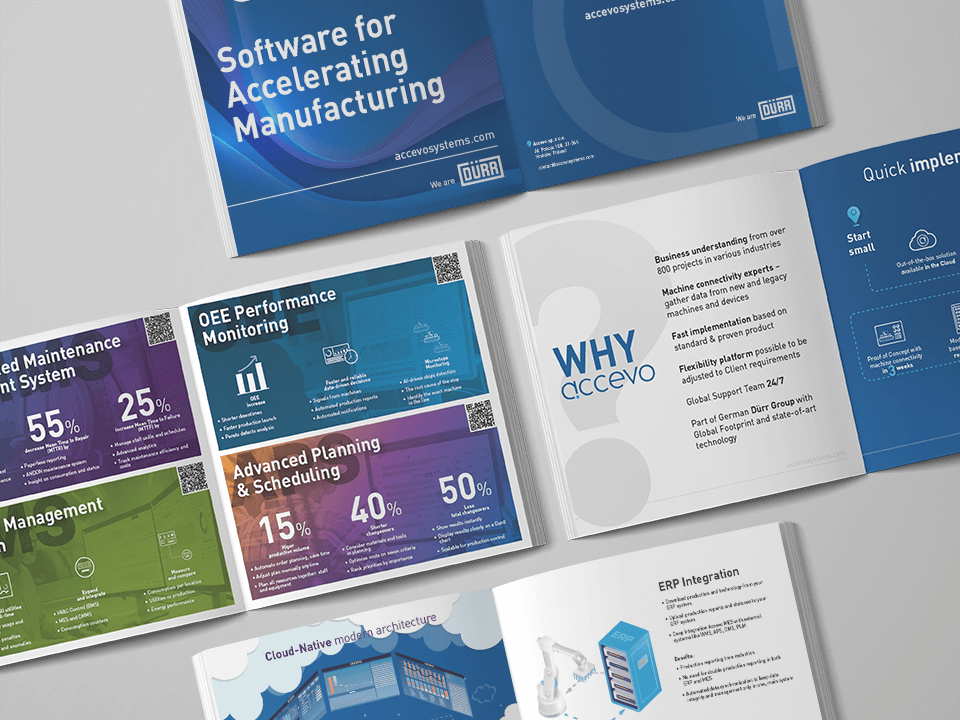
Catalogo dei prodotti

  • Get a complete catalogue of Accevo products
  • Read how Accevo can help your company to grow
  • Share the catalogue with your colleagues and co-workers 

Quali sono le forniture da assicurare per avviare la trasformazione digitale della mia fabbrica?

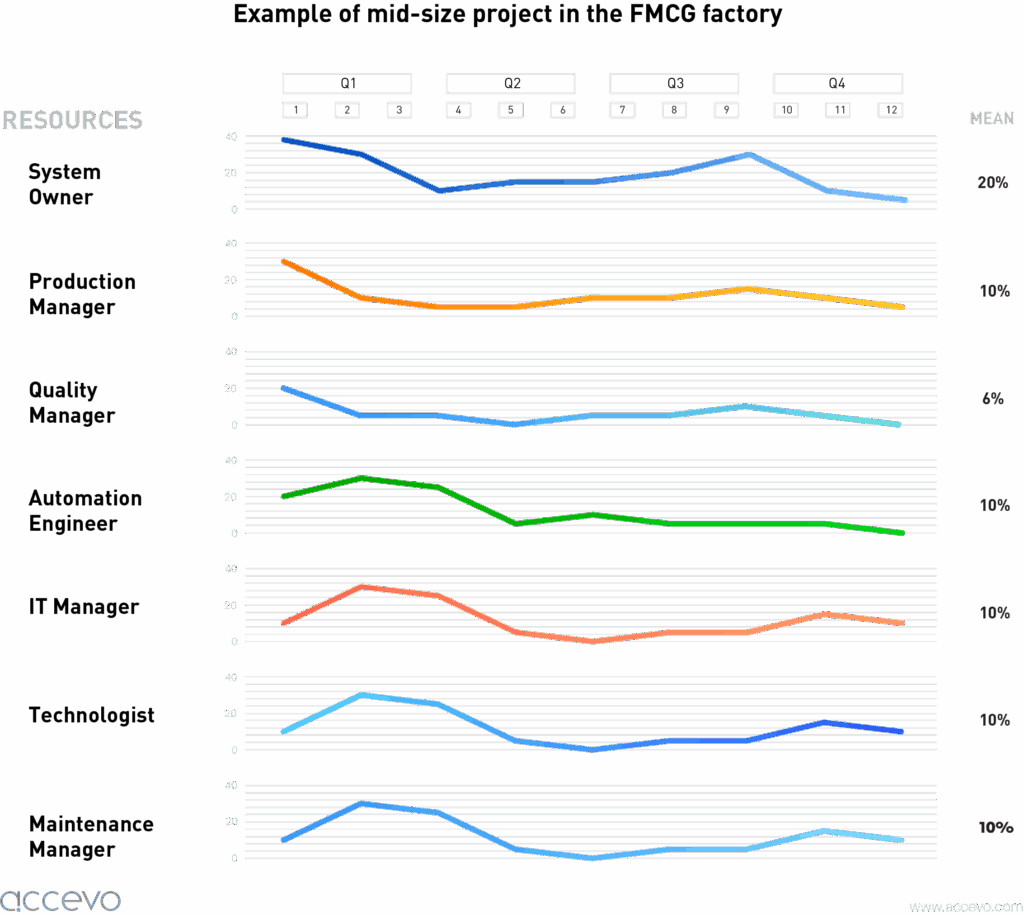
Depending on the scale of the project and the type of solutions being implemented, the digitalisation project may require mobilizing human resources with a variety of profiles, including technical and quality specialists, technologists and managers. Additionally, the digitalization team may require project management specialists to ensure that human resources are used effectively and the project is kept under control. 

Grafico DG FMCG@4x

Per ottenere un preventivo veloce Accevo Team deve sapere:

• What system from our portfolio suits you the most? 

• Briefly describe your production process, include production input and output. 

• Number of lines and machines (workstations). 

• What systems would you like to integrate with? 

• Describe IT hardware available in the plant.

• What system architecture? On-premise or Cloud.

• How many facilities your company plans to digitalise?

Iscriviti alla nostra newsletter

Come avviare la digitalizzazione della produzione? La tabella di marcia.

If your factory is a greenfield project try to follow up these steps to ensure that your factory will benefit from the digitalisation project. Start small and scale fast as your expertise and requirements grow.­

1.

Create a wired network through your factory or look for a complete solution provider like Accevo that will do it for you. 

2.

Connect all machines and start collecting data. Calculate your OEE from day one.

3.

Use production software to analyse data and count OEE

  • Identify gaps and shortcomings to increase your OEE
  • Make your production more efficient
  • Understand what the production progress is

4.

Grow your manufacturing systems and add an additional module to build up a fully functional MES – Integrate with existing ERP to get streamlined data flow across the entire facility. 

MES with Material validation + Traceability + Quality inspections

5.

Use Advanced Planning and Scheduling System to produce on time in the spirit of lean manufacturing. 

6.

Expand your system with advanced maintenance management (CMMS) software. 

7.

Link your Warehouse with WMS to fully manage your stockpiles and deliveries. 

Notify logistics to deliver materials on time right to the shopfloor. 

8.

Fully digitalise your production with a Paperless module and workflow builder.

9.

Combine your production with energy usage and use the EMS system to analyse production cost in relation to consumed energy and other utilities to save resources. 

Calendario del progetto​

Assicurati che tutto sia puntuale grazie a metodi di implementazione comprovati!

aps web@4x

Di cosa bisogna tener conto quando si cerca un partner per la trasformazione digitale della fabbrica?

bisogni altrui

Comprendere le proprie esigenze:

  • Identify specific business needs and challenges.
  • Evaluate the scale and complexity of your operations.
altre caratteristiche

Caratteristiche e funzionalità:

  • List down the features and functionalities essential for your operations.
  • Ensure that the software can be customised to fit your specific needs.
budget degli altri

Bilancio:


  • Consider the initial implementation and ongoing maintenance costs.
  • Evaluate the return on investment.
la reputazione degli altri

Reputazione del fornitore:


  • Research the vendor’s reputation and track record.
  • Consider testimonials and reviews from other users.
sicurezza degli altri

Sicurezza e assistenza:

  • Ensure that the software adheres to industry-standard security protocols.
  • Confirm that the vendor offers reliable support and maintenance services.

Garantire resilienza e competitività a lungo termine: Perché scegliere Accevo come fornitore di soluzioni?

mc

Soluzioni leader per la connettività delle macchine

dt software

Fornitore di software indipendente

personalizzazione dt

Agilità, flessibilità e modifiche

dt: implementazione rapida

Implementazione rapida

dt con meno difetti

Diversi prodotti in un'unica piattaforma scalabile. Integrazione con tutti i sistemi esistenti

precisione dt

Conoscenze commerciali e conoscenze tecniche

Avviare il progetto di trasformazione digitale

Contatto con il nostro esperto

www dipendenti marcin marczewski

Marcin Marczewski

Industrial Software Expert

LinkedIn

Perché ottenere una demo?

  • A 60-minute online meeting with a dedicated specialist presenting a top system from an industry similar to yours
  • Live modeling of your production process
  • A budget quotation after the meeting

Per saperne di più

Ciao, sembra che tu sia interessato al software per la produzione...

Iscriviti alla newsletter e ricevi un catalogo da condividere con i colleghi

By providing your email and clicking the “Download a catalogue” button, you agree to receive our newsletter.

Iscriviti alla nostra newsletter e scarica un esempio di piano di progetto

Attention: Please provide your Work Email, emails from popular domains like (gmail, yahoo etc.) will be automatically filtered and won’t receive the Sample Project Plan

Che cosa sta cercando?