



























Sistema MES - Sistema di esecuzione della produzione

Misurate e analizzate il vostro processo produttivo con il sistema MES e indicate i punti da migliorare.

aumento del tempo di funzionamento
0 %
riduzione della quantità di difetti
0 %
riduzione del consumo di materiali
0 %
riduzione dei tempi di cambio formato
0 %

Che cos'è il Manufacturing Execution System (MES)?

MES System is a manufacturing efficiency and execution platform that allows for the collection of data from the machines, or entire production line, analysing and displaying them in a user-friendly manner. MES software is implemented to make operators’ jobs more predictable and help managers undertake more insightful decisions for faster and better production. 

  • Provides a comprehensive overview of production analytics.
  • Identifies underperforming processes and malfunctions.
  • Enables correction of root issues for improved productivity and resource allocation.
  • Aids in quality control to maintain industry compliance.
  • Minimises product defects for consistent excellence in manufacturing.
  • Streamlines communication within the organisation.
  • Helps reduce downtime, increasing plant effectiveness.

Qual è la differenza tra MES e ERP?

The difference between Manufacturing Execution Systems (MES) and Enterprise Resource Planning (ERP) systems lies in their core functionalities, focus areas, and operational scope within an organization. While both systems are pivotal in modern business management and aim to increase efficiency and streamline operations, they serve distinct roles within an enterprise.

Caratteristica
MES (Sistema di esecuzione della produzione)
ERP (Pianificazione delle risorse aziendali)

Focus

Specifico dei processi di produzione e delle operazioni in officina

Ampio, integra i vari processi aziendali in tutta l'organizzazione

Obiettivo primario

Ottimizzazione e monitoraggio dei processi produttivi in tempo reale

Razionalizzazione e integrazione di tutte le operazioni aziendali

Funzioni chiave

Tracciamento della produzione in tempo reale, controllo della qualità, efficienza della macchina

Gestione finanziaria, gestione della catena di approvvigionamento, risorse umane, CRM

Ambito di applicazione

Controllo operativo a livello di produzione

Gestione e pianificazione strategica a livello organizzativo

Gestione dei dati

Dati operativi dettagliati incentrati sulla produzione

Dati aggregati tra le varie funzioni aziendali

Base utenti

Utilizzato principalmente dai responsabili della produzione e dal personale di officina.

Utilizzato da diversi reparti, tra cui finanza, risorse umane, vendite, ecc.

Impatto

Influenza direttamente l'efficienza produttiva e la qualità del prodotto

Influisce sull'efficienza generale dell'azienda, sull'allocazione delle risorse e sulla pianificazione strategica.

Quali problemi risolve il sistema MES di Accevo ?

Edit Content
  • Production stoppages. 

  • Lack of knowledge about the current progress and work of production.

  • Waste of paper, difficulty maintaining versioning and access to documents.

  • Long production start-up times.

  • Human errors.

  • Inadequate reporting on performance data.

  • Unable to take proactive decisions on problems and solutions. 

  • Ineffective process control and failure to meet customer expectations.

Edit Content
  • Production not shipped on time.

  • Inability to identify bottlenecks in the production process.

  • Manual production planning, planning in Excel.

  • Not sure that I have all the resources to produce.

  • Poor tracking of production and production order fulfilment.

Edit Content
  • Uncontrolled production of defects.

  • Inadequate traceability of production processes.

  • Too many scrap and defects.

  • Manually generated SPC reports.

Edit Content
  • Lack of immediate information about the failure in the maintenance department.

  • Too much downtime.

  • No windows available for inspections and repairs.

Edit Content
  • Lack of system integration 

  • Multiple systems across one. facility instead of one. 

  • Lost access to the prodution system.

Edit Content
  • There is no data to make a good decision. 

  • Lack of control over the implementation of production.

  • The need to work on additional shifts due to the failure to cope with the current production. 

The software can lead to the identification of more than 200 processes from the shop floor to the warehouse to get rid of or to simplify, e.g. quality documentation forms with redundant information. Step by step, combining small changes can add up to considerable improvement potential. Properly adresssed issues can lead to time savings reduction ranging from 10 minutes up to 2 hours. Not only it helps to reduce the burden for employees in production but also for those surrounding work areas involved in cross-divisional processes. 

Di quali moduli e funzioni dispone il sistema MES di Accevo?

  • Machine communication with standard TCP and native PLC protocols (OPC DA/UA, Siemens and more)
  • Read data from the automation level: production counters, machines status, process parameters
  • Data buffering if connection lost to preserve all information
  • Start production in a planned sequence, use RFID cards to access the system
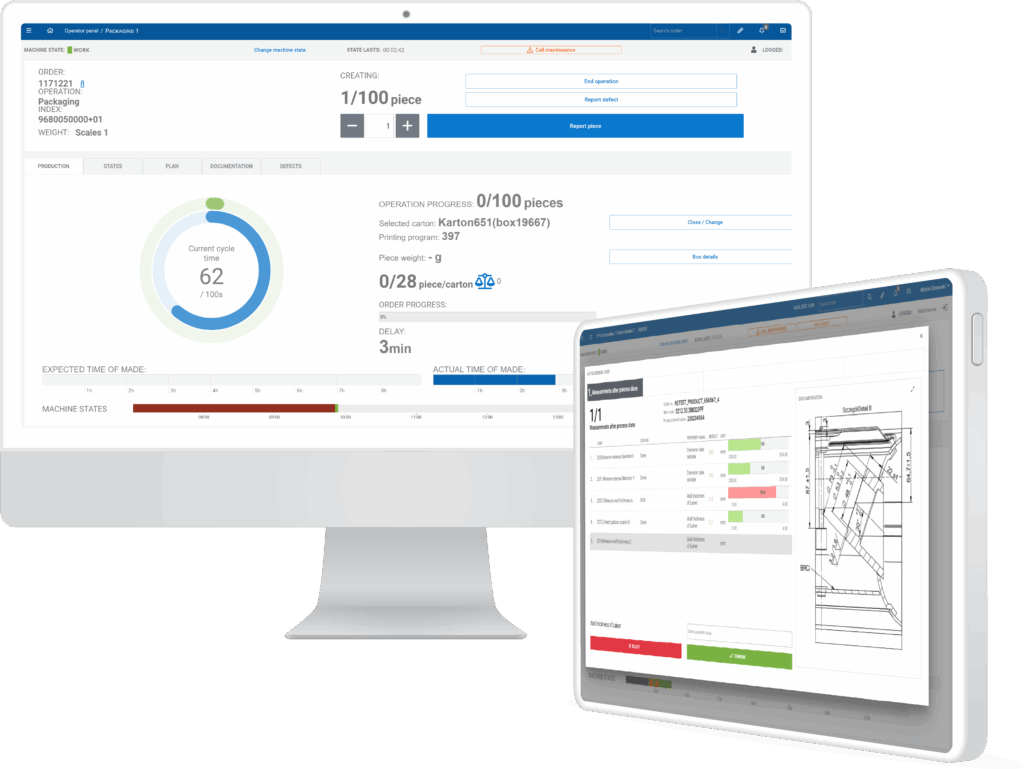
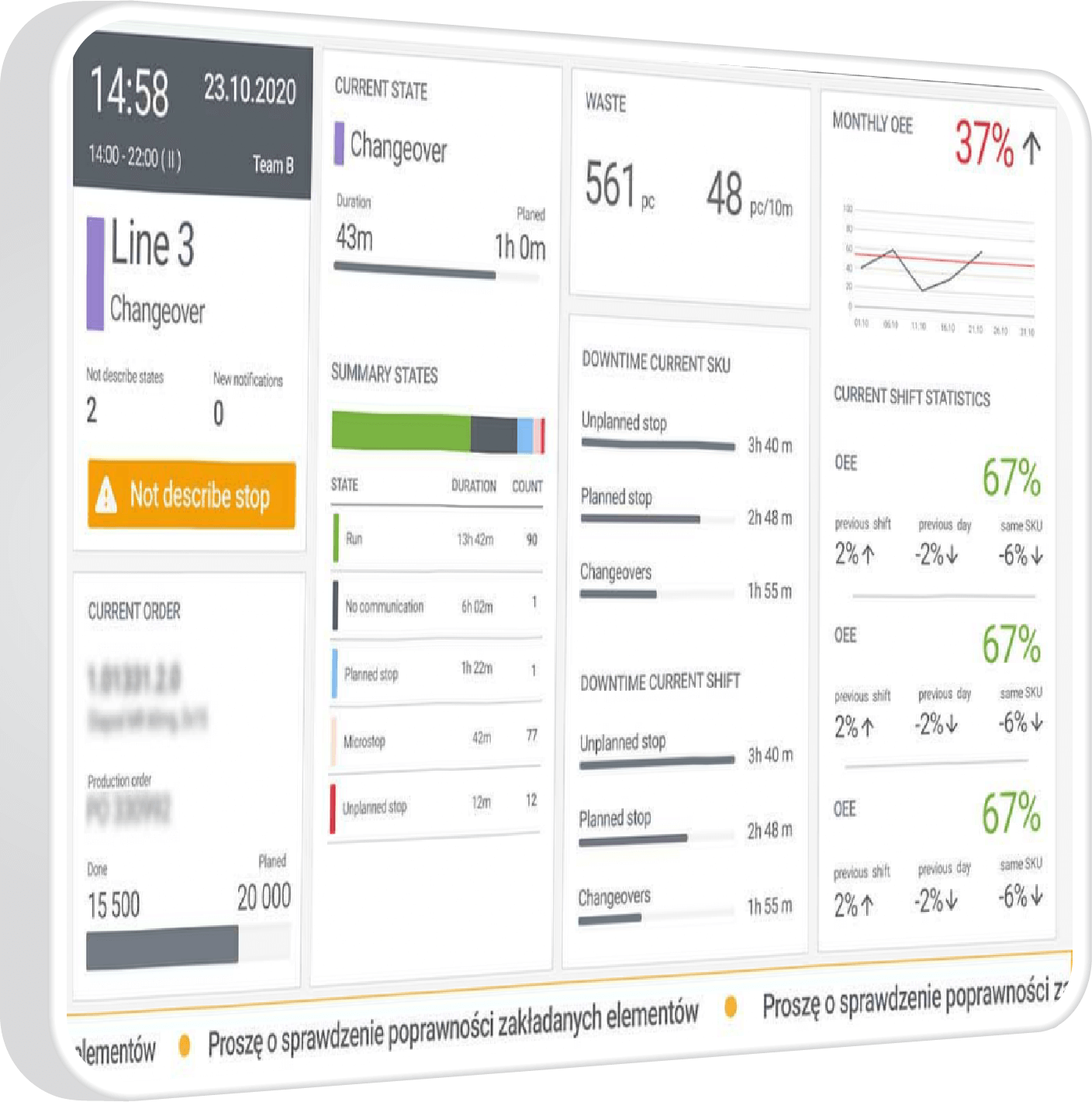
  • Display progress, main KPIs and current delay for ongoing production
  • Manual or automatic production reporting with machine states
  • Recurring events automatically request quality inspection thanks to triggers
  • Automatic feedback for the operator (quality limits)
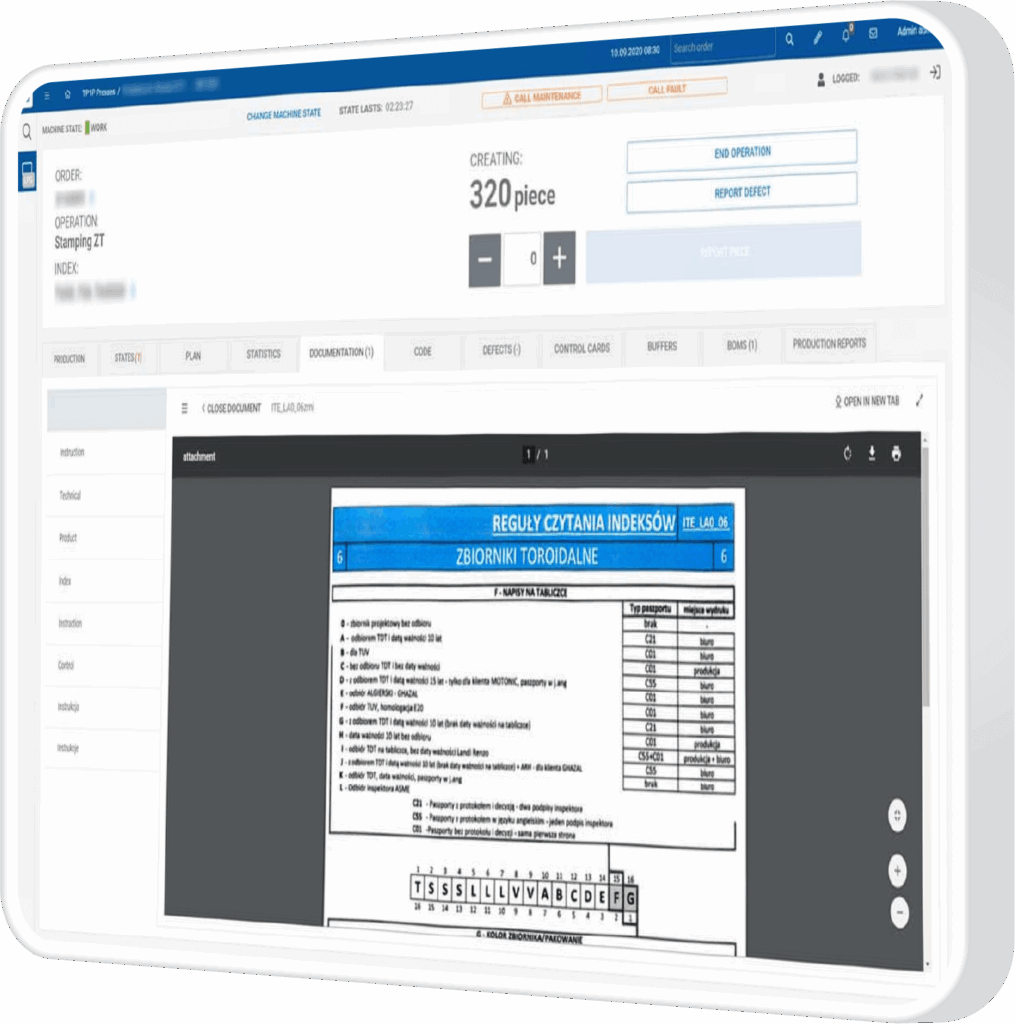
  • Dedicated instruction and documentation
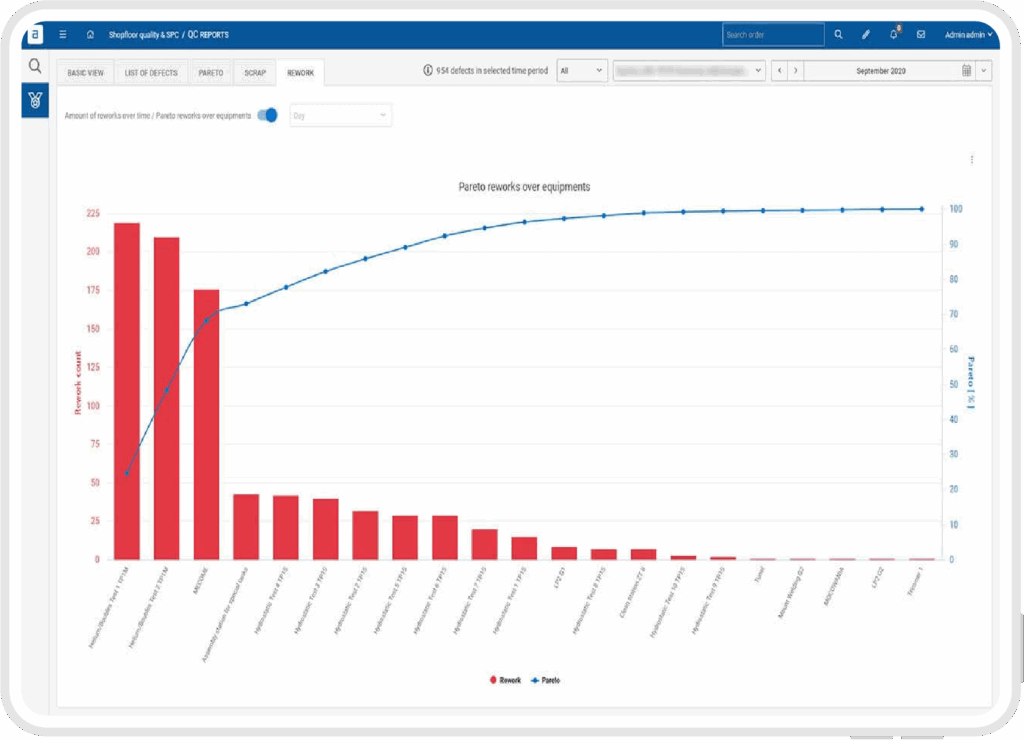
  • Automatically generated quality reports: SPC, Shewhart control charts
  • Manual or automated defect reason reporting
  • The decision to report defects or scrap
  • Reporting defects for components
  • Starting rework production by scanning the rework label or choosing special rework order
  • Automatic validation and guiding via rework technology
  • Configure rework flow for reported defect reason
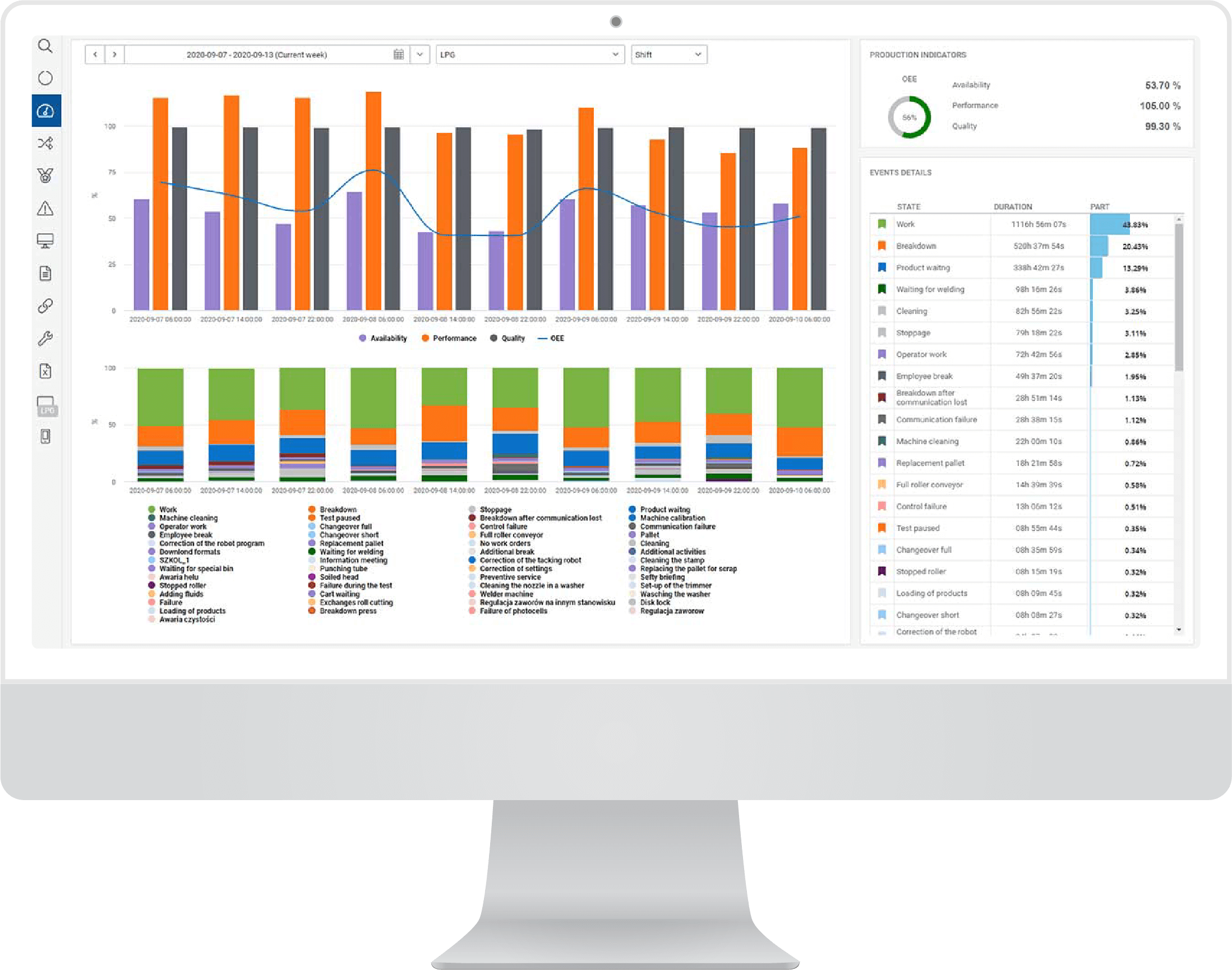
  • Various reports for production, machines, quality
  • Dashboard for ongoing production
  • Various angles for data analytics
  • Transparent overview of all areas
  • Top-to-bottom analysis
  • Dedicated dashboards for most important analysis
  • Display digital documentation for Operator (PDF, images, movies)
  • Documentation categorization like changeovers, quality control, maintenance
  • Demand the read confirmation upon the newest version
  • Display production summary for selected machines
  • Display the current shift’s OEE and production delay
  • Real-time data update based on reports or machine’s cycles
  • Failures reporting with its reason and comment
  • Maintenance failure acceptance and its ending
  • Reaction time, repair time and its KPIs monitoring (MTTR, MTBF, MTTF)
  • Basic production data modeling: items, routings, factory structure
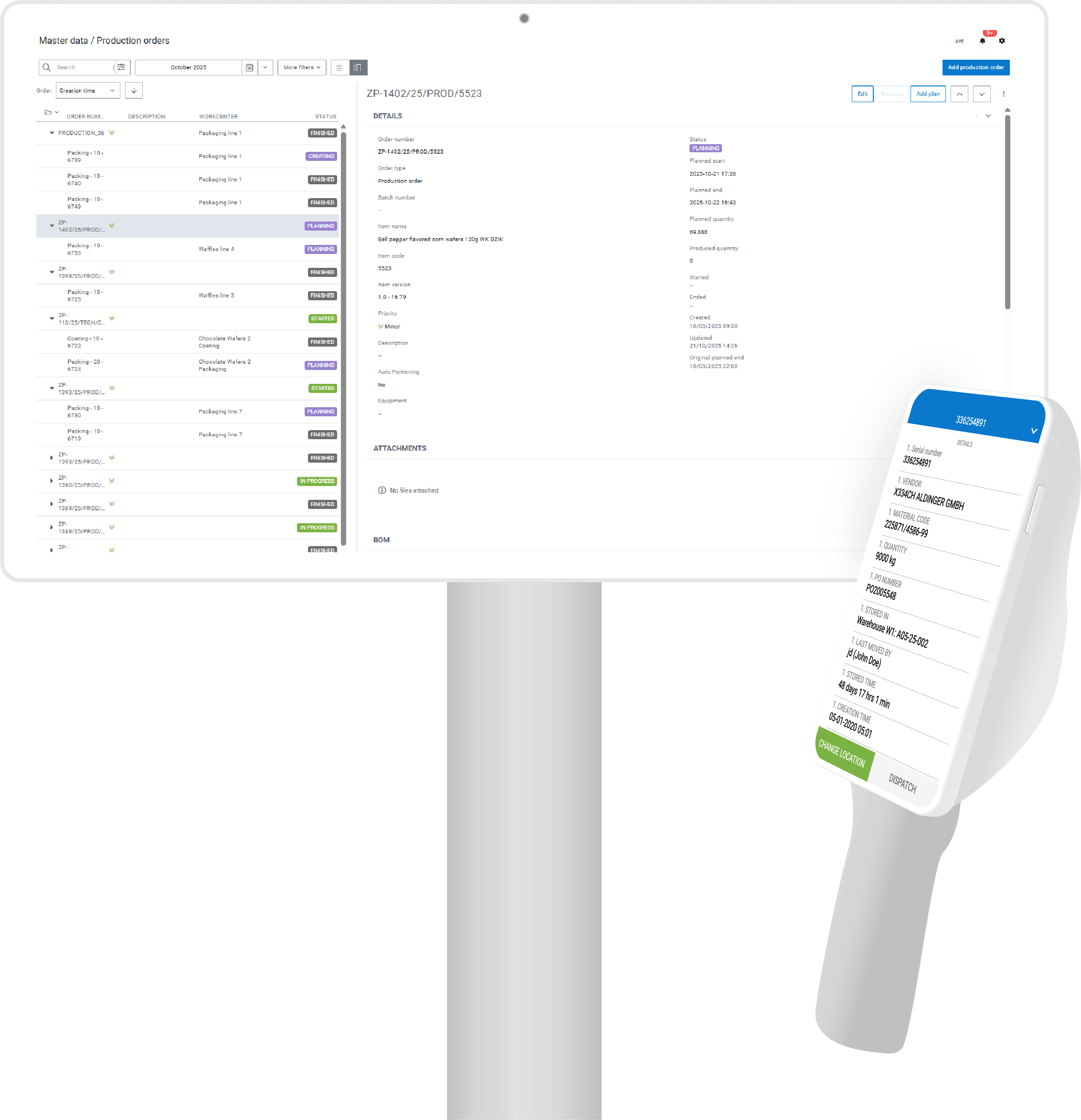
  • Managing production orders, defects, documentation
  • Managing KPI thresholds, production targets or machine states
  • Scanning resources to match components and tools with production.
  • Additional validation
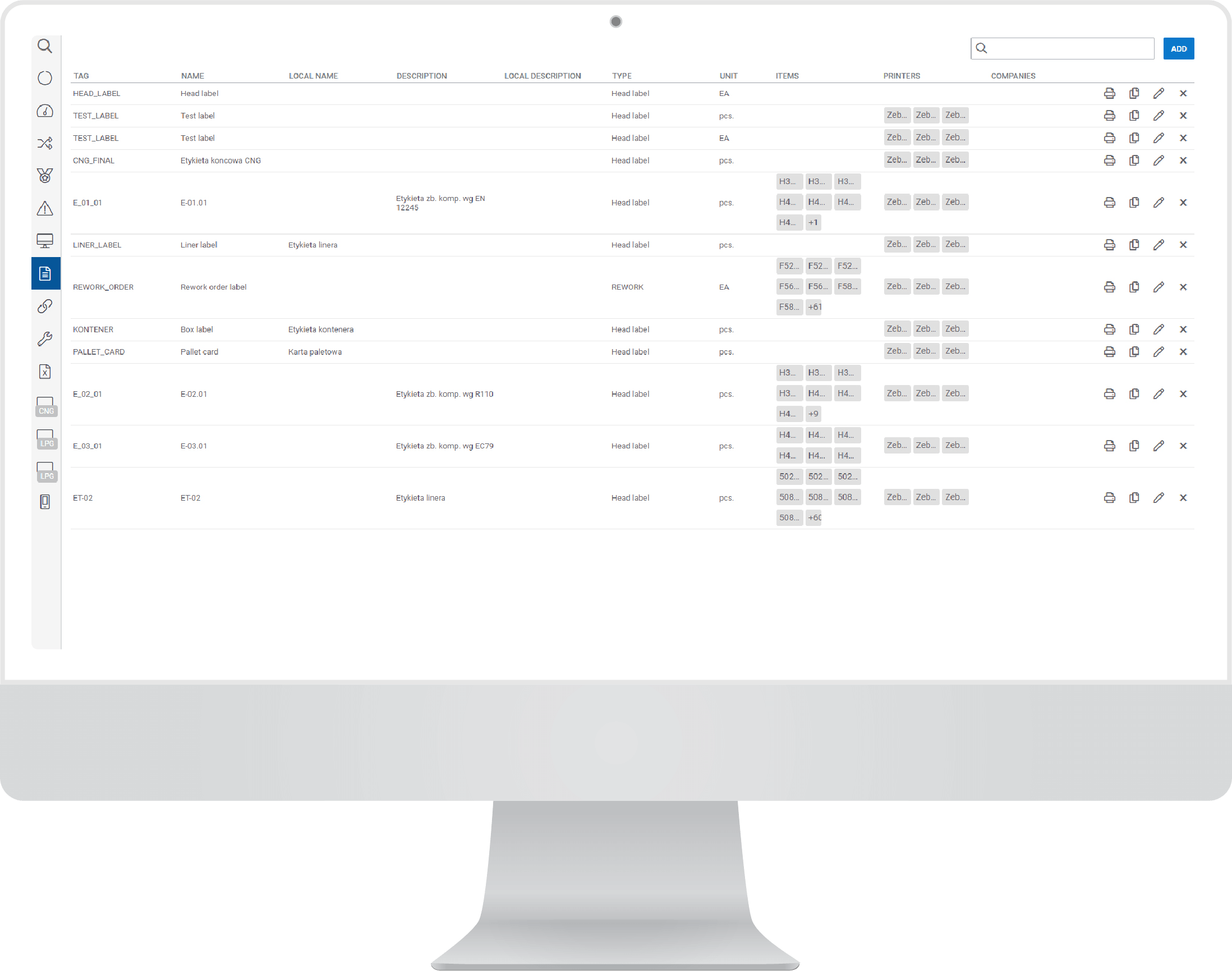
  • Automatic serialization and labeling printing for done production

Logistica dei materiali (WMS di officina)

  • Tracks inventory – Monitors stock levels in real-time.
  • Speeds up orders – Optimizes picking, packing, and shipping.
  • Integrates systems – Connects with ERP and production.

Convalida della distinta base

  • Checks accuracy – Verifies BOM components and quantities.
  • Prevents errors – Detects missing or incorrect parts.
  • Ensures consistency – Aligns BOM with production requirements.

Gestione delle etichette

  • Generates labels – Creates accurate product labels.
  • Ensures compliance – Meets industry standards.
  • Tracks items – Improves traceability and identification.

Lascia la tua e-mail per ricevere l'offerta

Quali sono i principali vantaggi del software MES in produzione?

oee-aumento

Aumento di OEE e OTIF

✔️ data e ora previste per l'ultimo articolo dell'ordine di produzione
✔️ cambi di produzione ridotti e più rapidi
✔️ esecuzione più rapida delle attività di produzione

meno difetti

Meno difetti

✔️ riconoscimento più rapido dei difetti e gestione delle rilavorazioni
✔️ SPC e monitoraggio basato sulle condizioni
✔️ piani di qualità periodici

tracciabilità

Tracciabilità

✔️ BOM validation (controllo degli articoli, se rilasciato QC)
✔️ monitoraggio del ciclo di vita degli strumenti
✔️monitoraggio in alto e in basso

Cosa dicono i nostri clienti del sistema MES di Accevo?

icona della citazione

Manufacturing in the region for the region, next to our customers is a pillar of our operations strategy.

We invested massively in our factories over the last years to increase capacity; completing these investments with the best digitalization solution of all manufacturing systems is a key part of our program toward more efficiency and agility. In a great collaboration with Accevo, we are rolling out our plans.

Fabrice Revert, COO
LinkedIn

quadpack
icona della citazione

OEE, production and quality monitoring is very precise and automatic. The process optimisation is less time consuming and problems are faster and easier to detect.

Accevo managed to custom the MES interface and its funcionalities to a high degree so that we could really make the most out of the system

Veronica Ottonello, Industrial Process Engineer at Bormioli Pharma
LinkedIn

Logo Bormioli-Pharma
Probabilità di raccomandare 90%
logo capterra

Per saperne di più

produzione cloud bg 2025 web

Cloud Manufacturing MES

Cloud Manufacturing Un unico luogo sicuro per tutti i dati di produzione Cos'è il Cloud Manufacturing? Il cloud manufacturing è l'applicazione del cloud computing al settore manifatturiero. Si tratta di

Continua a leggere

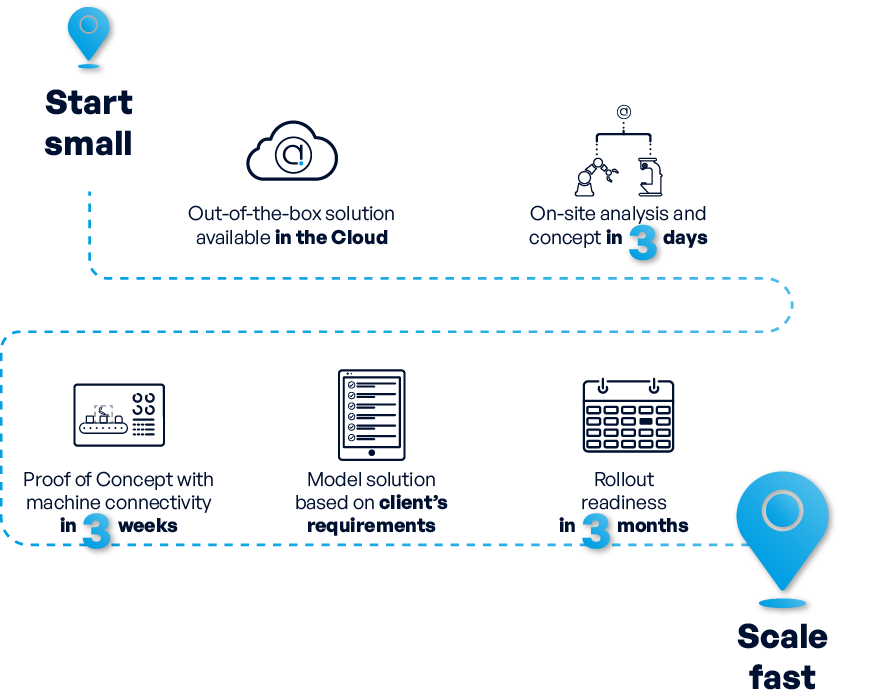
In quanto tempo può essere implementato il sistema MES?

Diagramma che illustra il processo di implementazione delle soluzioni di Accevo, evidenziando fasi quali l’avvio su piccola scala, l’analisi, la verifica di fattibilità, l’implementazione del modello e il ridimensionamento.

Perché Accevo?

Accevo is an independent software provider for modern manufacturing. Our solutions are designed to make production facilities more flexible, adaptable, and efficient. The software enables real-time visibility into your operations and facilitates collaboration between people, data, and systems so that you can spend less time on operational tasks and more time on innovation.

  • Various products in a single scalable platform
  • Integration with all existing systems
  • Connectivity to all machines
  • Business-lnow-how and tehnical knowledge
implementazioni
+ 0
paesi
0
anni di presenza sul mercato
0

Presentazione del sistema

Contatto con il nostro esperto

Piotr Kanka

Piotr Kańka

Industrial Software Expert

LinkedIn

Perché ottenere una demo?

  • A 60-minute online meeting with a dedicated specialist presenting a top system from an industry similar to yours
  • Live modeling of your production process
  • A budget quotation after the meeting

È il momento giusto per considerare un sistema MES?

We can suggest several indicators suggest it’s the right time to consider implementing an MES:

  1. Growing Production Complexity: As production lines become more intricate and diversified, an MES can streamline operations, ensuring that every step is optimized and interconnected.
  2. Demand for Real-time Data: In an era where data drives decisions, having real-time insights into your manufacturing processes can be a game-changer. MES provides this data at your fingertips, enabling faster, more informed decisions.
  3. Quality Control Concerns: If maintaining consistent product quality is becoming a challenge, MES can offer tools to monitor and ensure quality throughout the production process.
  4. Scalability Needs: For businesses looking to expand or diversify, an MES system can seamlessly integrate new production lines or processes, ensuring that growth doesn’t compromise efficiency or quality.
  5. Regulatory and Compliance Pressures: Many industries face stringent regulatory requirements. MES systems can help ensure compliance by providing traceability, reporting, and documentation tools.

Further reading: Why OEE drops after MES implementation?

Where Accevo MES System can be implemented?

  • Modern MES software benefits all production industries.
  • Accevo has implemented systems in FMCG, Pharma, Automotive & Aviation, and High Volume Production.
  • Provides clear results and transforms production processes towards Industry 4.0.

Articoli correlati

Il prezzo di un sistema MES professionale dipende dall'elenco selezionato di funzionalità, dall'integrazione con le macchine e dai dispositivi richiesti (ad esempio stampanti, scanner e computer). Il costo totale dipenderà dalle esigenze dell'azienda e dal numero di macchine che devono essere collegate per ottenere risultati aziendali. Il sistema MES è illimitato, modulare e scalabile e non è vincolato a un numero specifico di utenti o dispositivi, quindi può essere adattato alle esigenze di ogni azienda.

Il tempo necessario per implementare un software MES dipende dall'azienda. Alcune aziende possono implementarlo in 3 mesi, altre in 6 mesi. Il tempo necessario dipende anche dalla quantità di dati da raccogliere dai processi aziendali e dal numero di persone da istruire per l'utilizzo del nuovo sistema. Un primo preventivo e un concetto di soluzione possono essere consegnati in soli 3 giorni dopo l'incontro. Il PoC (Proof of Concept) dura 3 settimane, compreso il collegamento delle macchine, mentre il rollout completo del sistema in fabbrica può essere pronto dopo 3 mesi. 

Confronta i prodotti

Che cosa sta cercando?

Ciao, sembra che tu sia interessato al software per la produzione...

Iscriviti alla newsletter e ricevi un catalogo da condividere con i colleghi

By providing your email and clicking the “Download a catalogue” button, you agree to receive our newsletter.