






With Accevos’ Traceability or track and trace, it is possible to keep track of the entire lifecycle of goods, from the moment they are obtained, produced, processed, stored, transported, consumed, to when they are disposed of. This ensures that businesses have full visibility and insight into the status of their goods at any time, allowing them to quickly identify any discrepancies or inefficiencies in their supply chain. 

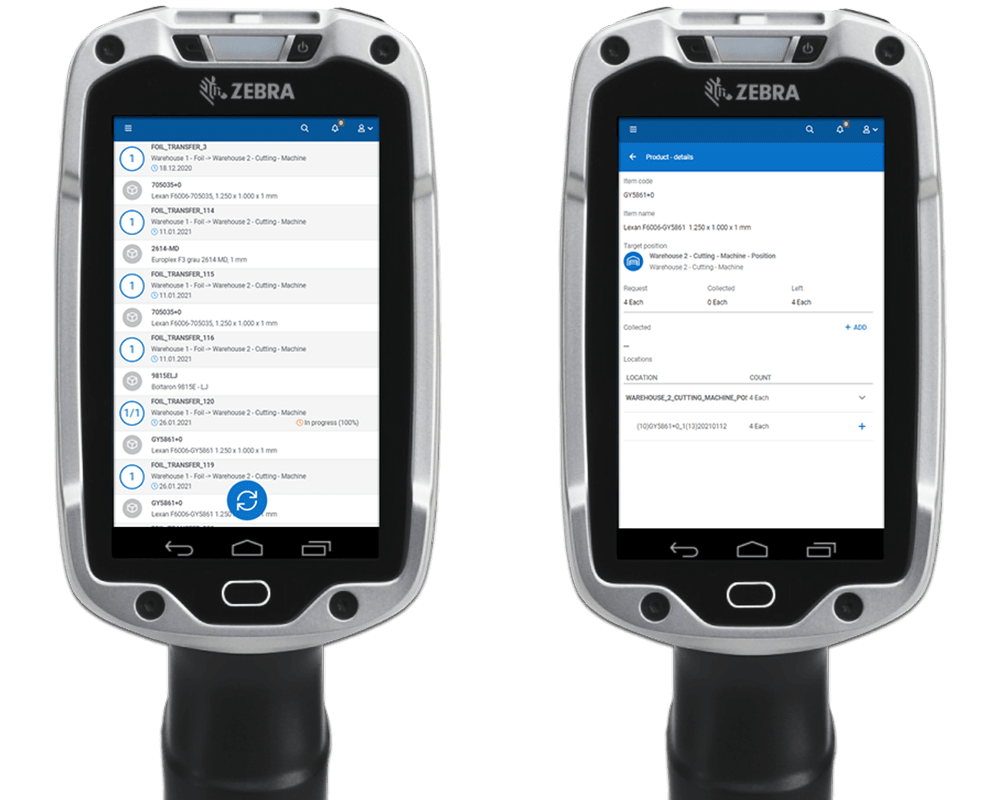
zebra-2xfront

Perché è importante la tracciabilità?

Traceability is extremely important in the food manufacturing sector, as it can help identify potential safety risks, track the origin of raw materials, and ensure that food supplies meet health and safety standards. If a problem occurs regarding product quality, a company must be able to rectify it immediately. The costs for product recalls, for example in the automotive industry, often add up to hundreds of millions.

By monitoring food or automotive products from their origin to the point of sale, manufacturers can detect any contamination or fatigue issues in a timely manner. For example, if a product is found to be contaminated, a traceability system can help quickly identify the source of contamination, allowing manufacturers to take corrective measures to protect consumers from potential harm. 

Additionally, traceability helps manufacturers ensure that the products they provide meet their customers’ quality expectations, as it allows them to track any changes in ingredients or processes that could affect the end-product. 

Traceability can also help manufacturers reduce the risk of fraud, as they can easily determine the true origin of an item, rather than relying on fraudulent suppliers.  This key module can also assist manufacturers in meeting their legal obligations, such as product labeling and traceability requirements set by regulatory bodies. 

I vostri vantaggi con la rintracciabilità Accevo

icone di tracciabilità che prevengono gli errori

Prevenzione degli errori di produzione

Prevenire gli errori di produzione: I dati di tracciabilità offrono l'opportunità di imparare dagli errori. Le cause e le circostanze che hanno già portato agli errori possono essere evitate in futuro attraverso l'ottimizzazione dei processi.

icone di tracciabilità, sicurezza dei materiali

Sicurezza dei materiali

In caso di dubbi sulla qualità o sull'integrità delle materie prime, i controlli di tracciabilità possono identificare ogni singolo prodotto coinvolto. Le ispezioni e le rilavorazioni richiedono uno sforzo minore.
icone di tracciabilità, produzione conforme

Produzione conforme

La tracciabilità consente di verificare l'adeguatezza della produzione, compresi tutti i dati e i materiali relativi ai processi interni.

icone di tracciabilità soddisfazione del cliente

Soddisfazione del cliente

Descrive le azioni disponibili e le conseguenze delle attività in diversi contesti, come la gestione delle operazioni nel sistema MES, l'acquisizione di dati dai dispositivi o la mediazione del sistema umano. Progettato in Forms Builder.
Come garantire la piena tracciabilità con Accevo?

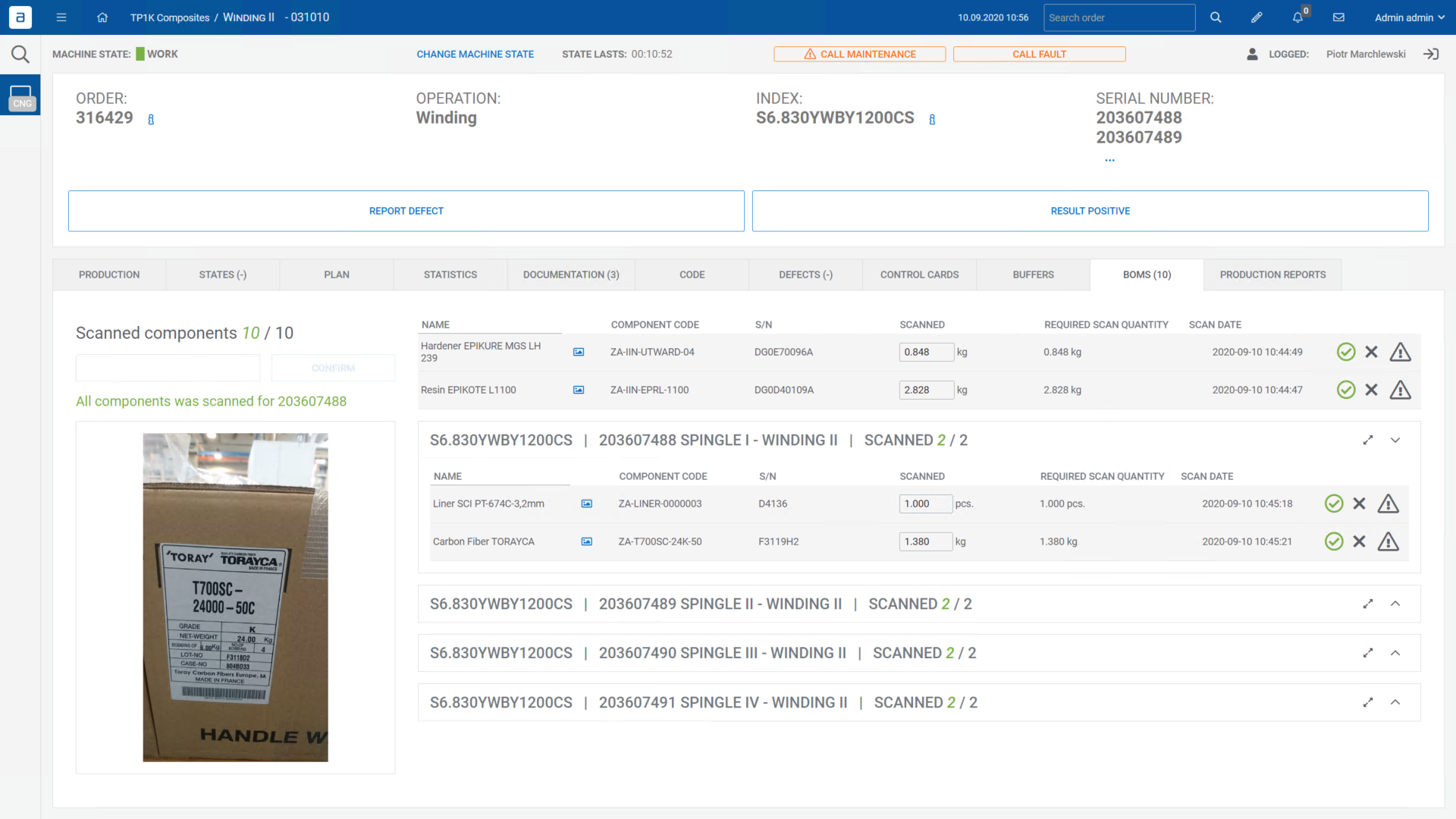
Your production process is streamlined by matching serial and batch numbers of components, tools, and containers with the scanned Container ID. The system will automatically compare the currently installed tools and tools needed for the new operation, and alert the operator in real-time if the wrong component is scanned. To ensure that each batch is aligned with the corresponding Bill of Materials (BOM), automated labelling is available at any stage of production. You can customize the triggers to generate labels, such as after a certain number of cycles, or at the start and end of an operation. Labels can be printed on finished or semi-finished goods, defects, reworks, scrap, containers, pallets, and more. You can also check the printing history of repetitive operations and manually adjust the data if necessary.
Scansione della distinta base dal pannello operatore
Schermata del modulo Tracciabilità Accevo - Sistema MES

Cosa sono i livelli di tracciabilità nella produzione di beni?

Traceability provides manufacturers with a high-level understanding of their processes, helping them make better decisions and remain compliant. With traceability, businesses can more easily identify and fix any issues that arise, as well as meet customer expectations and comply with industry regulations. It is also beneficial for improving production efficiency and product quality control, as it provides manufacturers with real-time visibility into their production systems.

For different industries, traceability requirements may vary, and some factories may require more complex systems than others. However, it is still important that all factories invest in a traceability system as it is essential for guaranteeing the highest quality and complying with all relevant laws and regulations. There is no need for some factories to invest heavily into the very complex system when only a simple approach is required by the law or manufacturing process to ensure high quality and compliance. 

There are four main levels of traceability in goods manufacturing:

1.

La tracciabilità di livello 1 è il minimo che ci si deve aspettare da qualsiasi produttore di buona reputazione e richiede che le materie prime, i componenti e i prodotti finiti siano documentati e tracciati.

2.

La tracciabilità di livello 2 richiede la capacità di tracciare gli elementi all'interno del processo di produzione, compresa la tracciabilità dei lotti di materiali, dei prodotti intermedi e dei prodotti finiti.

3.

La tracciabilità di livello 3 richiede la capacità di tracciare e rintracciare ogni singolo articolo, compresi i componenti, le materie prime e i prodotti finiti.

4.

La tracciabilità di livello 4 richiede la capacità di tracciare e rintracciare ogni singolo articolo e la sua storia, compresi i componenti utilizzati per crearlo, il modo in cui è stato lavorato e dove è stato spedito.

Quali sono i settori chiave che beneficeranno del modulo di tracciabilità nel loro sistema MES?

Traceability module in MES system provide a number of benefits to various industries, most notably the food industry, where it helps to ensure the safety and quality of products. It is also important in the automotive sector, where it helps to track production and ensure the quality of the finished product. Traceability solutions also offer advantages in terms of efficiency and customer satisfaction in other industries, such as the pharmaceutical, logistics and retail sectors. By automating the tracking of raw and semi-finished material batches, companies are able to maintain a higher level of compliance with regulatory mandates and reduce the risk of counterfeiting. 

Quali sono le trappole da tenere d'occhio quando si implementa la tracciabilità in fabbrica?

When implementing traceability in the factory, one of the main traps to look out for is lack of data integration. When a factory is expanding and growing, there may be multiple systems in place that aren’t properly integrated, meaning there is no real-time visibility of the data or the status of production. This can lead to errors and delays in the production process. Additionally, it’s important to ensure that the traceability system is tailored to the specific needs of the factory, and that the data being collected is accurate and up-to-date. Traceability modules should be regularly monitored and updated to ensure that they remain effective and efficient. 

Prodotti correlati a questo articolo

Che cosa sta cercando?

Ciao, sembra che tu sia interessato al software per la produzione...

Iscriviti alla newsletter e ricevi un catalogo da condividere con i colleghi

By providing your email and clicking the “Download a catalogue” button, you agree to receive our newsletter.